
Describing the Durham-based Hiss Golden Messenger is like trying to grasp a forgotten word: It’s always on the tip of your tongue, but hard to speak. Songwriter and bandleader M.C. Taylor’s music is at once familiar, yet impossible to categorize: Elements from the American songbook—the steady, churning acoustic guitar and mandolin, the gospel emotion, the eerie steel guitar tracings, the bobbing and weaving organ and electric piano—provide the bedrock for Taylor’s existential ruminations about parenthood, joy, hope, and loneliness—our delicate, tightrope balance of dark and light—that offer fully engaged contemporary commentary on the present. And then there’s an indescribable spirit and movement: Hiss Golden Messenger’s music grooves. There’s nothing else quite like it. Merge Records

Our Designer

-
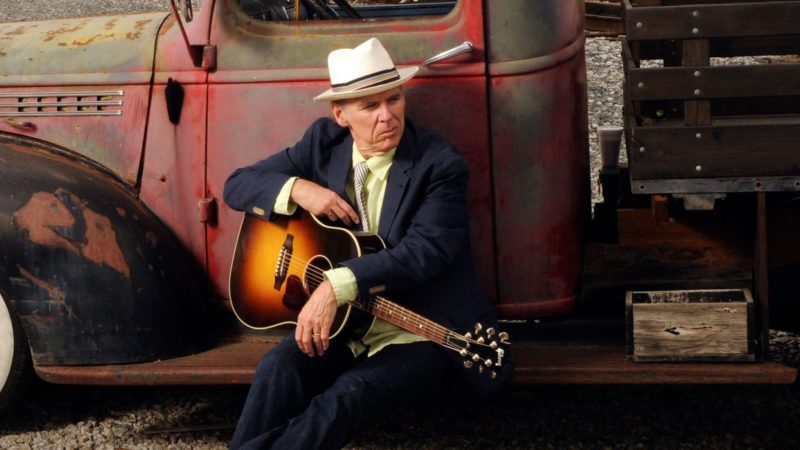
John Hiatt
John Robert Hiatt is an American singer-songwriter and musician. He has played a variety of musical styles on his albums, including new wave, blues, and country. Hiatt has been nominated for nine Grammy Awards and has been awarded a variety of other distinctions in the music industry.
COUNTRY MUSIC HALL OF FAME® AND MUSEUM TO FEATURE JOHN HIATT AS NEXT POETS AND PROPHETS HONOREE
NASHVILLE, Tenn. – July 9, 2024 – The Country Music Hall of Fame® and Museum will feature singer-songwriter John Hiatt in the next installment of its in-depth interview series Poets and Prophets. The series features songwriters who have made significant contributions to country music. The program will take place on Saturday, Aug. 10, at 2:30 p.m. in the museum’s Ford Theater and is included with museum admission.
Throughout his 50-year recording career, Hiatt has established himself as one of the most acclaimed singer-songwriters of his generation, as well as a hit composer for country and rock artists alike. Bob Dylan, Bruce Springsteen and Country Music Hall of Fame members Emmylou Harris and Willie Nelson are among the artists who have covered his acerbic, soul-stirring songs.
Hiatt began his professional songwriting career at age 18, when he moved to Nashville to work at Tree Publishing. Over the next two decades, his songs became hits for Rosanne Cash (“The Way We Make a Broken Heart”), the Desert Rose Band (“She Don’t Love Nobody”) and Three Dog Night (“”Sure as I’m Sittin’ Here”). Hiatt found success as a recording artist with his landmark 1987 album, Bring the Family, which featured “Have a Little Faith in Me” and “Memphis in the Meantime,” among other enduring songs. In its wake, he went from earning cuts to being covered by some of music’s biggest names, including Bonnie Raitt (“Thing Called Love”) and B. B. King and Eric Clapton (“Riding with the King”).
Following a stint in Los Angeles, Hiatt returned to Nashville in the mid-1980s and has continued to write, perform and record. He has released more than two dozen albums, most recently 2021’s Leftover Feelings, a highly regarded collaboration with the Jerry Douglas Band, recorded at historic RCA Studio B. In 2008, Hiatt was inducted into the Nashville Songwriters Hall of Fame and received a lifetime achievement award for songwriting from the Americana Music Association. In 2019, he became the third recipient of the BMI Troubadour Award, which recognized his work as a songwriter.
-
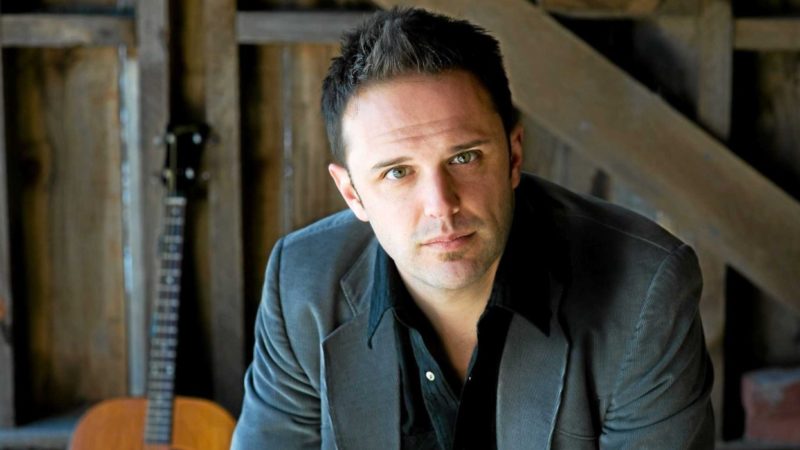
Mark Erelli
Mark Erelli
is an American singer/songwriter, multi-instrumentalist, and touring folk musician from Reading, Massachusetts who earned a master’s degree in evolutionary biology from the University of Massachusetts Amherst before pursuing a career in music. Wikipedia
Latest recording — Blindsided
“(Blindsided) soars on the wings of jangly guitars, heartfelt vocals and soulful harmony lines…Yep, that’s the sweet spot right there. And there’s enough of it to make this album matter.”
–The Associated Press“Erelli is a throwback of sorts, a foursquare acoustic songwriter in an age of digital audio workstations. For ‘Blindsided’ he has amped up with a superb band…a rock ‘n’ soul set of songs with friction” –Boston Globe
-
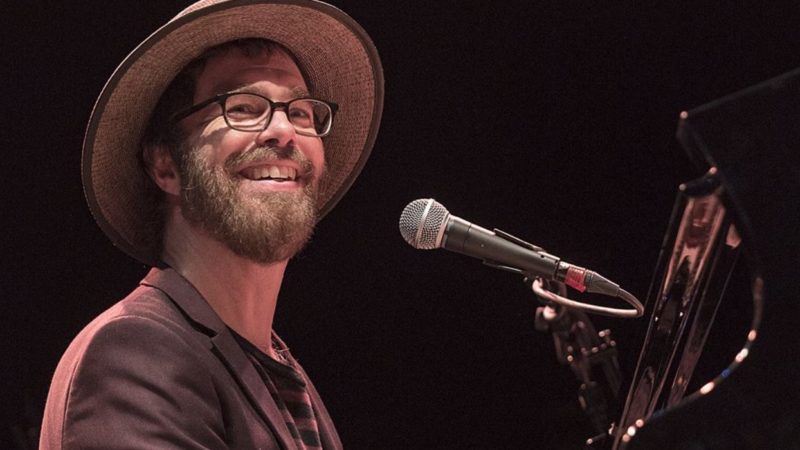
Ben Folds
Ben Folds
Ben Folds is widely regarded as one of the major music influencers of our generation.
He’s created an enormous body of genre-bending music that includes pop albums with Ben Folds Five, multiple solo albums, and numerous collaborative records. His last album was a blend of pop songs and his Concerto for Piano and Orchestra that soared to #1 on both the Billboard classical and classical crossover charts.
For over a decade he’s performed with some of the world’s greatest symphony orchestras, and currently serves as the first ever Artistic Advisor to the National Symphony Orchestra at the Kennedy Center.In addition to solo rock and orchestral touring, Folds has recently written a critically-acclaimed memoir “A Dream About Lightning Bugs,” which debuted as a New York Times Best Seller, and is described as a collection of interrelated essays, anecdotes and lessons about art, life, and music.
See Ben perform at NPR Tiny Desk Concert
