
Danny O’Keefe
In the 1970’s, Danny O’Keefe put out a string of albums that cemented his reputation as being among the best songwriters of his generation. These days, casual fans know him best for his Top Ten hit “Good Time Charlie’s Got The Blues” or Jackson Browne’s version of “The Road” from the classic Running On Empty album. But the story didn’t end in the 70’s. He recorded “The Day To Day” in 1985 with the two Top Twenty Adult Contemporary songs “Along For The Ride” and “Someday”. Working with Bob Dylan’s company, Special Rider Music, he co-wrote “Well, Well, Well” with Bob and other songs successfully recorded by artists like Nickel Creek, Alison Krauss, and Alan Jackson.

-
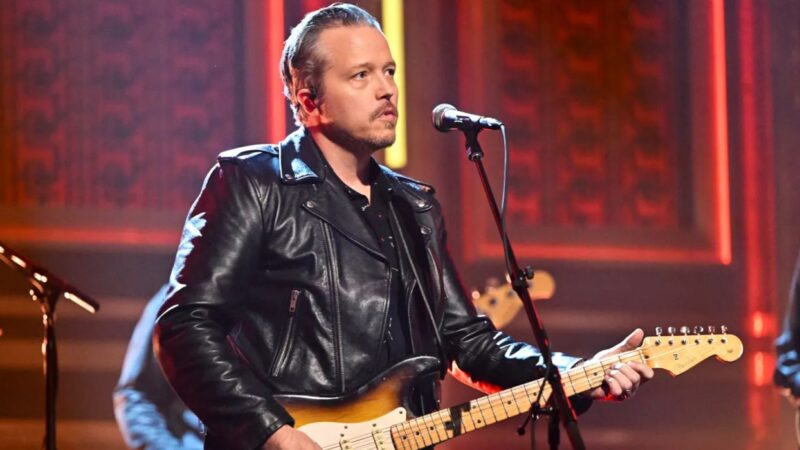
Jason Isbell
Jason Isbell
Jason Isbell stands as one of the most vital voices in modern American music, a songwriter’s songwriter who has transcended the boundaries of country and Americana to become a premier chronicler of the human condition. Born in Green Hill, Alabama, Isbell’s musical education was steeped in the rich traditions of the Muscle Shoals sound. He first rose to national prominence in 2001 as a member of the Drive-By Truckers, where his soulful voice and sharp-edged compositions provided a powerful counterpoint to the band’s southern rock grit. However, his tenure with the group was cut short by personal struggles, leading to a solo career that would eventually redefine his life and the landscape of roots music.The turning point for Isbell came with his sobriety and the release of the 2013 album Southeastern. Widely regarded as a masterpiece, the record stripped away the loud guitars to reveal a vulnerable, surgically precise lyricism. Songs like “Elephant” and “Cover Me Up” showcased an unflinching honesty, tackling subjects like terminal illness and the grueling road to redemption with a grace that few of his peers could match. Since then, alongside his powerhouse band, The 400 Unit, Isbell has released a string of critically acclaimed albums, including Something More Than Free, The Nashville Sound, and Weathervanes. These works have earned him multiple Grammy Awards and established him as a master of the southern gothic narrative, capable of writing about working-class struggles, racial tension, and the quiet complexities of fatherhood and marriage.Isbell’s impact extends beyond his discography; he is a vocal advocate for sobriety and social justice, often using his platform to challenge the gatekeepers of the Nashville establishment. His guitar playing, deeply rooted in the blues and soul of his Alabama upbringing, is as expressive as his singing, often punctuated by blistering slide work that serves the emotion of the song. Whether he is performing a delicate acoustic ballad or leading a feedback-drenched rock anthem, his work is consistently anchored by an obsession with craft. He avoids easy cliches, opting instead for specific, lived-in details that make his songs feel like short stories. Today, Jason Isbell is more than just a musician; he is a literary figure in the world of rock and roll, proving that the most specific stories are often the most universal.Jason Isbell was married to Amanda Shires. (Click to visit her site) They were part of each other’s bands and often appeared on record together.
-
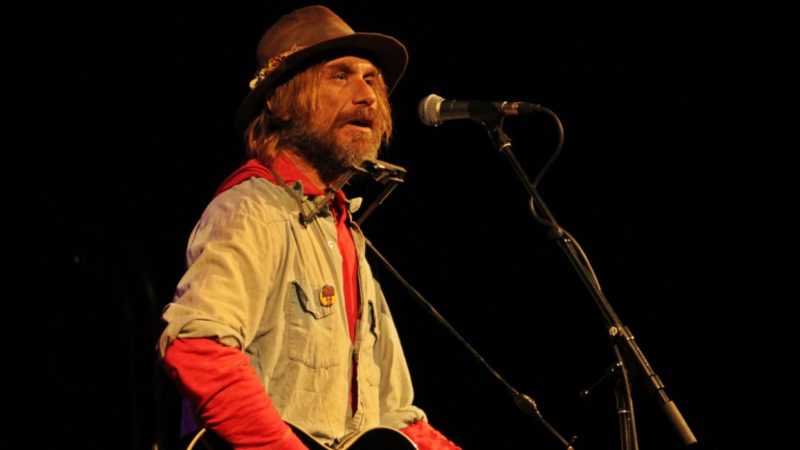
Todd Snider
Todd Snider
Todd Snider is known for humorous, though often poignant, lyrics delivered in classic troubadour style. A slyly intelligent songwriter, his live shows combine acclaimed musicianship and endearing storytelling for a one-of-a-kind night of modern folk music.
“Playing live is the only chance for me to show, ‘This is what I really do.’ I’ve never thought of myself as a recording artist. I’m someone who gets over by traveling around, telling stories, making up new songs and singing them alone onstage.”
“Talking Reality Television Blues” Animated video from latest release.
-
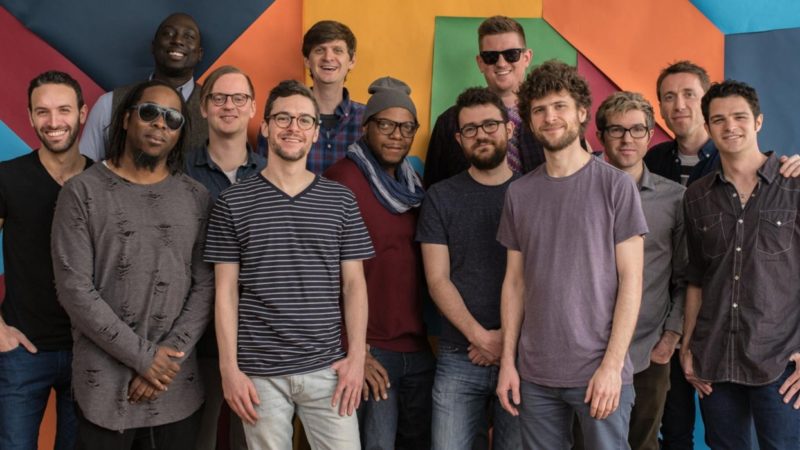
Snarky Puppy
Snarky Puppy
After a decade of relentless touring and recording in all but complete obscurity, the Texas-bred/New York-based quasi-collective suddenly found itself held up by the press and public as one of the major figures in the jazz world. But as the category names for all three of the band’s Grammy® awards would indicate (Best R&B Performance in 2014, Best Contemporary Instrumental Album in 2016 and 2017), Snarky Puppy isn’t exactly a jazz band. It’s not a fusion band, and it’s definitely not a jam band. It’s probably best to take Nate Chinen of the New York Times’ advice, as stated in an online discussion about the group, to “take them for what they are, rather than judge them for what they’re not.” (website)
Snarky Puppy joins another Roaming the Arts favorite Mingo Fishtrap as a band formed out of the wonderful music program at the University of North Texas.
