
Tom Rush
Tom Rush is a gifted musician and performer, whose shows offer a musical celebration…a journey into the tradition and spectrum of what music has been, can be, and will become. His distinctive guitar style, wry humour and warm, expressive voice have made him both a legend and a lure to audiences around the world. His shows are filled with the rib-aching laughter of terrific story-telling, the sweet melancholy of ballads and the passion of gritty blues. (website)
Interview – Over 55 years of recording and performing

-
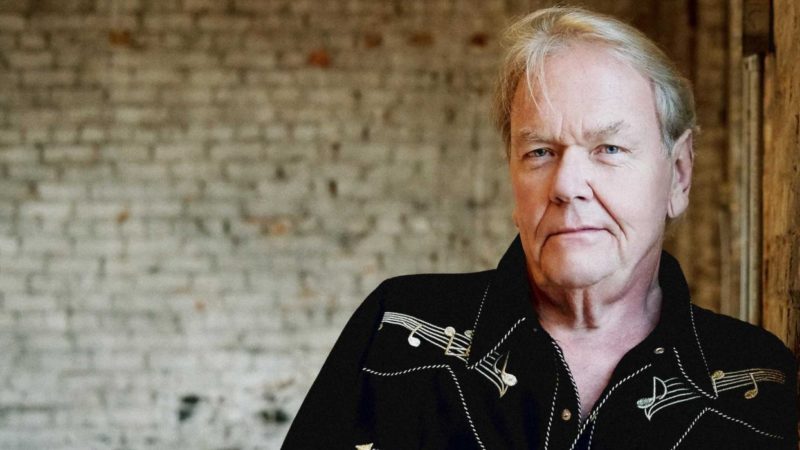
(Big) Al Anderson
Al Anderson
Listed as one of the top 100 guitar players of the 20th century by Musician Magazine and with over 900 cuts internationally, Big Al’s music career was destined. Raised by his piano teacher mother and a radio that would get WWVA in Wheeling West Virginia late at night, he would devour all genres of music from Hank Williams, The Everly Brothers, The Ventures, Chet Atkins, Elvis, Little Richard, Ray Charles, Motown and Stax paving the way for what would be a giant life in music.
NRBQ years
His first band “The Sixpacks” became “The Wildweeds,” recording a regional hit “No Good To Cry” that went on to chart nationally. With a change in record labels (from Chess to Vanguard) and a change in musical direction, Al caught the attention of the members of NRBQ. In 1971, Al left Connecticut for New York’s to enroll at the “University of Q” — a 22 year planetary course in all things musical. Al’s exposure to a evener wider range of musical genres served him well in the “Q.” His mind and string-bending guitar playing coupled with his giant stage presence had become legendary, and in the course of recording over a dozen albums with them, he had written some of the band’s most memorable songs — ‘Ridin in My Car’, ‘Never Take The Place of You,’ It Was An Accident,’ ‘Comes to Me Naturally,’ ‘What a Nice Way to Go,’ ‘Feel You around Me,’ and many more.
After over two decades of hard touring, hard living and encyclopedic musical knowledge, Al was ready to change his already prodigious song writing talent into a full-time venture.

Two years before he left NRBQ, he wrote a song with Carlene Carter, “Every Little Thing” that she took to top 5 all over the world. That song, and meeting music publisher Pat Daniel McMurry (Escott), were the turning points in Al’s career and life. With the support, guidance and belief that Pat provided, Al became unstoppable. At the same time that Al signed with Pat, he decided to quit drinking and suddenly became one of the most prolific writers in Nashville. “I went from 3 songs a year to writing sometimes 3 a day”.
The parade of hits is long and include singles and cuts by Vince Gill, Bonnie Raitt, Trisha Yearwood, Jimmy Buffett, Martina McBride, Patty Loveless, George Jones, Sheryl Crow, Leann Rimes, Tim McGraw, George Strait, Rascall Flatts, Zac Brown, Anthony Hamilton, Harry Connick Jr and many others.
He latest love is Music City’s premier rock band “The World Famous Headliners” rounded out with top tier penmen/artists/musicians extraordinaire Pat McLaughlin, Shawn Camp, Michael Rhodes and Greg Morrow
-
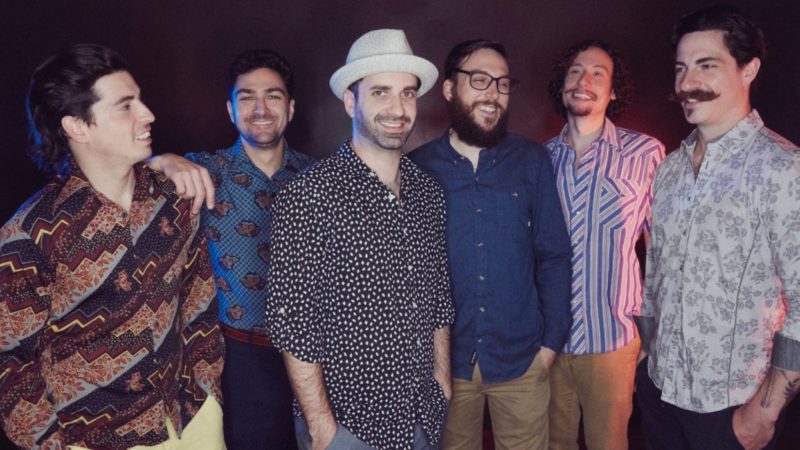
Flow Tribe
Flow Tribe
is an American funk rock band based in New Orleans, Louisiana. The group contains six members who are all natives of New Orleans. The band was founded in 2004, and was featured on Episode 11 of MTV’s The Real World: New Orleans, which aired September 8, 2010. Wikipedia
-

Hot Tuna/Jorma Kaukonen & Jack Casady
Jorma & Jack (aka Hot Tuna)
Hot Tuna is an American blues band formed in 1969 by former Jefferson Airplane members Jorma Kaukonen and Jack Casady. Although it has always been a fluid aggregation, with musicians coming and going over the years, the band’s name has essentially become a metonym for Kaukonen and Casady’s ongoing collaboration. Wikipedia
Don’t miss Hesitation Blues -circa 1970
