
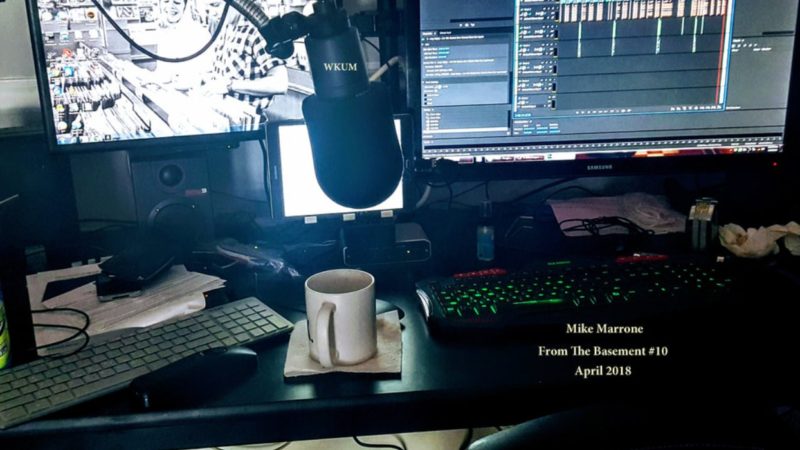
Mike’s Basement
Mike Marrone formerly the creator/director of SiriusXM “The Loft” doing what he does. Putting together great sets of music available for streaming.


James (Jim) Sallis
James Sallis
R.I.P.
James Sallis (born December 21, 1944 in Helena, Arkansas, United States) is an Americancrime writer, poet, critic, musicologist and musician, best known for his series of novels featuring the detective character Lew Griffin and set in New Orleans, and for his 2005 novel Drive, which was adapted into a 2011 film of the same name.
Acclaimed author James Sallis died on Jan. 27, 2026, at the age of 81, after a long battle with illness. Sallis was a native of Helena, Arkansas.
Sallis may have been known for his novels, but he was more than just an author. He was also a creative writing teacher, musician, screenwriter, periodical editor, book reviewer, and translator.
As posted by Poison Pen Bookshop – Scottsdale, AZ :
“We are very sorry to have to share that author James Sallis passed away on Tuesday, January 27, 2026, peacefully, with his wife Karyn by his side, after a long illness. No funeral is planned. If you feel moved to donate in his memory, the family suggests ACLU or the Humane Society as worthy charities that Jim valued.”
Film – Drive starring Ryan Gosling
John Burdett
Location – Thailand
John Burdett
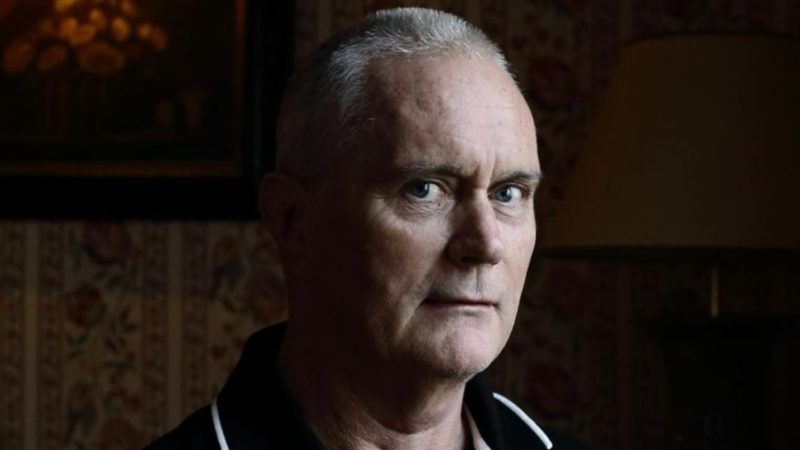
John Burdett is a British crime novelist. He is the bestselling author of Bangkok 8 and its sequels, Bangkok Tattoo, Bangkok Haunts, The Godfather of Kathmandu, and Vulture Peak. His most recent novel in this series, The Bangkok Asset, was published on 4 August 2015. Wikipedia

Marcia Ball
Marcia Ball
“Fifty years have passed in a flash,” says Texas-born, Louisiana-raised pianist, songwriter and vocalist Marcia Ball of her long and storied career. Ball, the 2018 Texas State Musician Of The Year, has won worldwide fame and countless fans for her ability to ignite a full-scale roadhouse rhythm and blues party every time she takes the stage. Her rollicking Texas boogies, swampy New Orleans ballads and groove-laden Gulf Coast blues have made her a one-of-a-kind favorite with music lovers all over the world. With each new release, her reputation as a profoundly soulful singer, a boundlessly talented pianist and a courageous, inventive songwriter continues to grow. Her love of the road has led to years of soul-satisfying performances at festivals, concert halls and clubs.
The New York Times says, “Marcia Ball plays two-fisted New Orleans barrelhouse piano and sings in a husky, knowing voice about all the trouble men and women can get into on the way to a good time.”
The Houston Chronicle says simply, “She’s as perfect as an artist can be.”
The Mavericks
The Mavericks
R.I.P. – Raul Malo
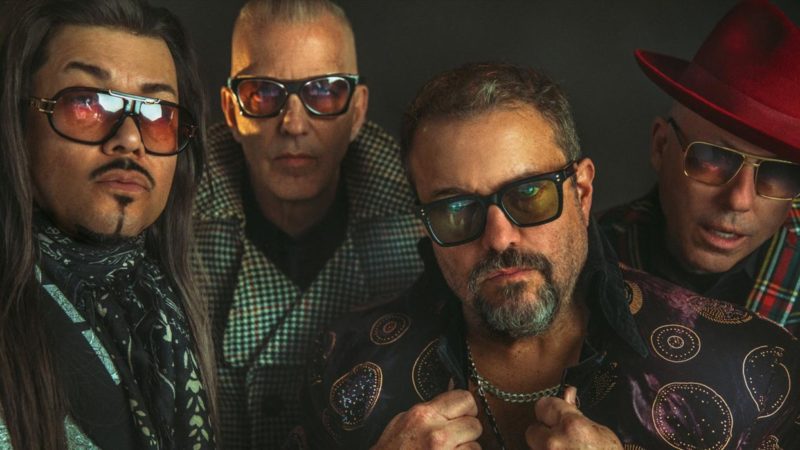
In the world of music, The Mavericks are celebrated for their “post-punk spaghetti-western” sound, blending neotraditional country with Latin, rock, and ska influences.
Led by the incomparable voice of Raul Malo, the band became a symbol of musical eclecticism. Tragically, the music community mourned the loss of Malo in December 2025 at the age of 60. Fans and colleagues remember him as a legendary performer who treated every audience, regardless of size, with the same “awesome” energy. His death marked the end of an era for a group that refused to be pigeonholed into a single genre, consistently proving that authentic artistry knows no borders. Raul Malo was widely regarded as one of the finest vocalists of his generation, often compared to Roy Orbison for his power, range, and emotive delivery. Born in Miami to Cuban parents, his music served as a bridge between cultures and languages.
Founded in 1989 in Miami, Florida, The Mavericks quickly established themselves as “mavericks” in both name and practice. While they initially found success in the Nashville country scene, they were never easily categorized, drawing heavily from Malo’s Cuban-American heritage and various retro influences.

Peter Mulvey
Peter Mulvey
is an American folk singer-songwriter based in Milwaukee, Wisconsin. Since the early 1990s, he has developed a strong national following in the indie folk/rock scene through his relentless touring and critically acclaimed albums. Wikipedia
Peter is live streaming on a regular basis during the pandemic.
Click on his site below.
