Ben Folds
Ben Folds
Ben Folds is widely regarded as one of the major music influencers of our generation.
He’s created an enormous body of genre-bending music that includes pop albums with Ben Folds Five, multiple solo albums, and numerous collaborative records. His last album was a blend of pop songs and his Concerto for Piano and Orchestra that soared to #1 on both the Billboard classical and classical crossover charts.
For over a decade he’s performed with some of the world’s greatest symphony orchestras, and currently serves as the first ever Artistic Advisor to the National Symphony Orchestra at the Kennedy Center.
In addition to solo rock and orchestral touring, Folds has recently written a critically-acclaimed memoir “A Dream About Lightning Bugs,” which debuted as a New York Times Best Seller, and is described as a collection of interrelated essays, anecdotes and lessons about art, life, and music.
See Ben perform at NPR Tiny Desk Concert

T.C. Boyle
T.C. Boyle
T.Coraghessan Boyle is the author of twenty-eight books of fiction, including, most recently, After the Plague (2001), Drop City (2003), The Inner Circle (2004), Tooth and Claw (2005), The Human Fly (2005), Talk Talk (2006), The Women (2009), Wild Child (2010), When the Killing’s Done (2011), San Miguel (2012), T.C. Boyle Stories II (2013), The Harder They Come (2015), The Terranauts (2016), The Relive Box (2017) and Outside Looking In (2019). He received a Ph.D. degree in Nineteenth Century British Literature from the University of Iowa in 1977, his M.F.A. from the University of Iowa Writers’ Workshop in 1974, and his B.A. in English and History from SUNY Potsdam in 1968. He has been a member of the English Department at the University of Southern California since 1978, where he is Distinguished Professor of English.

Jason Isbell
Jason Isbell

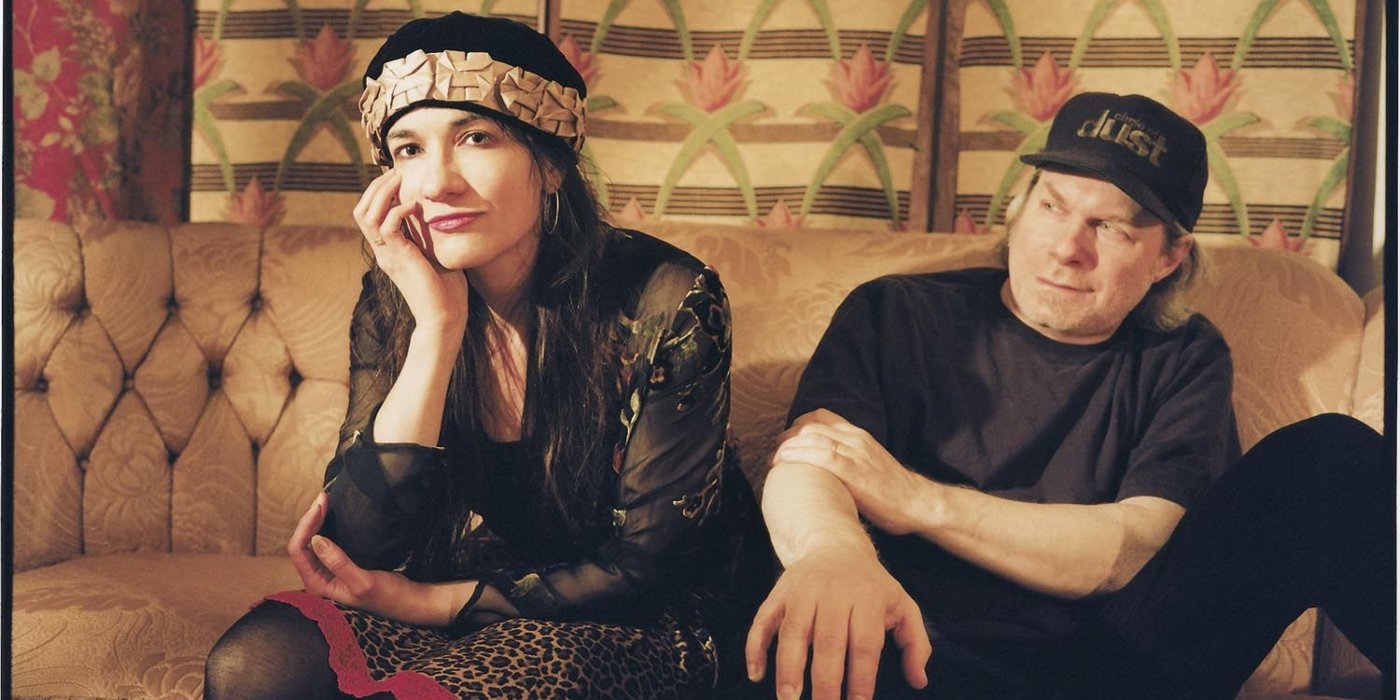
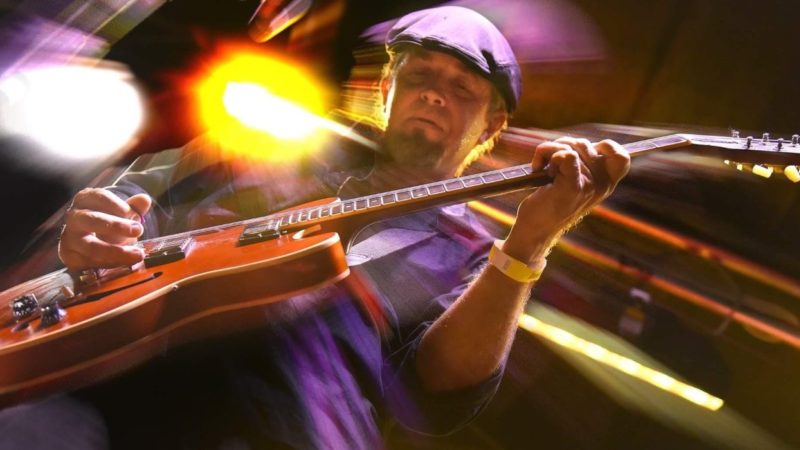
Jason Isbell was married to Amanda Shires. (Click to visit her site) They were part of each other’s bands and often appeared on record together.
Darlingside
Darlingside
“It’s over now / The flag is sunk / The world has flattened out,” are the first words of Extralife, the new album by Boston-based quartet Darlingside. While the band’s critically acclaimed 2015 release Birds Say was steeped in nostalgia and the conviction of youth, Extralife grapples with dystopian realities and uncertain futures. Whether ambling down a sidewalk during the apocalypse or getting stuck in a video game for eternity, the band asks, sometimes cynically, sometimes playfully: what comes next? Their erstwhile innocence is now bloodshot for the better.
Hope arrives in the form of Darlingside’s signature superpower harmonies, drawing frequent comparisons to late-60’s era groups like Crosby, Stills & Nash; Simon & Garfunkel; and The Byrds. And yet, their penchant for science fiction and speculative futurism counteracts any urge to pigeonhole their aesthetic as “retro”. The four close friends construct every piece of their music collaboratively, pooling musical and lyrical ideas so that each song bears the imprint of four different writing voices. NPR Music dubs the result “exquisitely-arranged, literary-minded, baroque folk-pop”, and calls Extralife “perfectly crafted”.
Darlingside perform all of their music around a single vocal microphone, inviting audiences into a lush, intimate world where four voices are truly one. Their 2016 performance at the Cambridge Folk Festival “earned an ecstatic reception and turned them into instant stars”, according to The Daily Telegraph. The band tours regularly throughout the United States, Canada, the UK, and Europe.

Kate Atkinson
Location – Edinboro, Scotland
Kate Atkinson
Latest works include Shrines of Gaiety (London in the Roaring 20’s) and Normal Rules Don’t Apply ( Short Stories)
Kate Atkinson was born in York in 1951 and studied English Literature at Dundee University.
After graduating in 1974, she researched a postgraduate doctorate on American Literature. She later taught at Dundee and began writing short stories in 1981. She began writing for women’s magazines after winning the 1986 Woman’s Own Short Story Competition. She was runner-up for the Bridport Short Story Prize in 1990 and won an Ian St James Award in 1993 for her short-story Karmic Mothers, which she later adapted for BBC2 television as part of its ‘Tartan Shorts’ series. Her first novel, Behind the Scenes at the Museum (1995), won the 1995 Whitbread Book of the Year award, beating Salman Rushdie’s The Moor’s Last Sigh and Roy Jenkins’ biography Gladstone. The book is set in Yorkshire, narrated by Ruby Lennox, who takes the reader through the complex history of her family, covering the events of the twentieth century and reaching back into the past to uncover the lives of distant ancestors. The book has been adapted for radio and theatre, and has been adapted for television by the author. Her second novel, Human Croquet, was published in 1997 and relates the story of another family, the Fairfaxes, through flashback and historical narrative. Her third novel, Emotionally Weird, was published in 2000, and in 2002 a collection of short stories, Not the End of the World.
Kate Atkinson has written two plays for the Traverse Theatre in Edinburgh: a short play, Nice (1996), and Abandonment, which premiered as part of the Edinburgh Festival in August 2000. She currently lives in Edinburgh and is an occasional contributor to newspapers and magazines. The four books Case Histories (2004), One Good Turn (2006), shortlisted for the British Book Awards Crime Thriller of the Year, When Will There be Good News? (2008) and Started Early, Took My Dog (2010), form a crime series featuring ex-policeman Jackson Brodie. These books were adapted for television and a 6-part series starring Jason Isaacs as Jackson Brodie was broadcast in 2011. In 2013 she published Life after Life, winner of the Costa Novel Award and the South Bank Sky Arts Literature Prize; and A God in Ruins (2015), a companion novel to Life After Life, featuring several of the same characters. In 2019 Jackson Brodie returned in Big Sky, and Atkinson also published Transcription.
(British Council – Literature)

Why & How You Should Support Artists During COVID
It’s time to support artists
The music industry and local musical artists have had to navigate their careers differently since the Covid-19 lockdown. It’s very important for us as consumers to continue to support our favorite music artists, especially during the Covid-19 pandemic. People throughout the United States are struggling during this time. Millions of people are unemployed and are unable to return to work. Thousands of businesses have shut down and even music artists are having trouble making money during this time. Music artists are unable to make money while on a tour which is greatly affecting their ability to earn income. Many bands and hip-hop artists have pointed out in the past that the majority of the money they make is on tour. Even indie artists make a large portion of here money touring local areas to keep the band going. Consumers should try to support their favorite artists so they can stay intact. Artists are unable to have in-person events and signings which can be so exciting and beneficial to the artist. Spotify and streaming services do not pay artists large amounts of money. In 2020 physical albums are almost non-existent and most music is available for free. Roaming the Arts has an online community that supports musicians, artists, and writers. Now is the time for consumers to stand up and support artists during this difficult time!
Ways to Support Artists During Covid
- Branding and promotion can be so beneficial to musical artists. Spreading your favorite artist’s music on social media can be so helpful to them. Retweets and posts on Instagram can during this time will e greatly appreciated.
- You can share music and resources within your circle of friends
- Encourage your friends to support their favorite artists. Buy and stream most as often as you can.
- Tweet and reach out to your favorite artists and tell them how much you love and appreciate their music. Bands and rappers need to know their fans still want them to keep releasing must and that they will be first in line to buy their tickets once they can go on tour again. If you are employed or cannot work it’s fully understandable if you cannot financially support your favorite artists. The smallest things such as a tweet or direct message will always be appreciated. This can potentially help boost sales.
- Music streaming sites don’t pay large amounts of money but they still make up nearly 20% of an artist’s income. If you consumers can accumulate enough stream it definitely can be beneficial to an artist. Streaming sites are even introducing tipping options. If you would like to you can support artists by sending them money directly. Establishing more revenue flow can be so helpful to struggling indie artists.
- Many artists have YouTube channels and live streams where you can come support them I’ve seen many artists focus more on making content and releasing music on youtube to make a living.
-
It’s time to support artists!!!