

Jim Harrison
in memoriam
Poet and novelist Jim Harrison spent much of his life in Michigan on a farm near where he was born, as well as Montana and Arizona. His connection to rural landscapes was evident in his free-verse, imagistic poetry, which often explores human and animal drives set against an unforgiving natural world. Noting the poetry’s relation to Hemingway’s prose style in a review of Harrison’s Selected & New Poems 1961–1981, poet and critic Richard Tillinghast declared in the New York Times that “Mr. Harrison has few equals as a writer on outdoor life, the traditional heritage and proving ground of the American male.”
Harrison earned a BA and MA at Michigan State University, and he taught briefly at SUNY Stony Brook. After the publication of his first collection of poetry, Plain Song (1965), he returned to Michigan, where he worked as a freelance journalist and laborer until he began to earn a living from his writing.
Harrison published more than a dozen collections of poetry, including Livingston Suite (2005), Saving Daylight (2006), In Search of Small Gods (2009), Songs of Unreason (2011), and Dead Man’s Float (2016). He was also well known as a fiction writer, publishing numerous novels and collections. His novel Legends of the Fall (1979) received considerable critical acclaim and was made into a 1995 feature film. Harrison wrote several screenplays for Warner Bros. and other studios. He served as poetry editor of The Nation and coeditor of Sumac. He wrote a food column, “The Raw and the Cooked,” for Esquire magazine, and his collection of essays, Just Before Dark (1991), includes some of his food writing along with literary and nature essays. Harrison died in 2016.

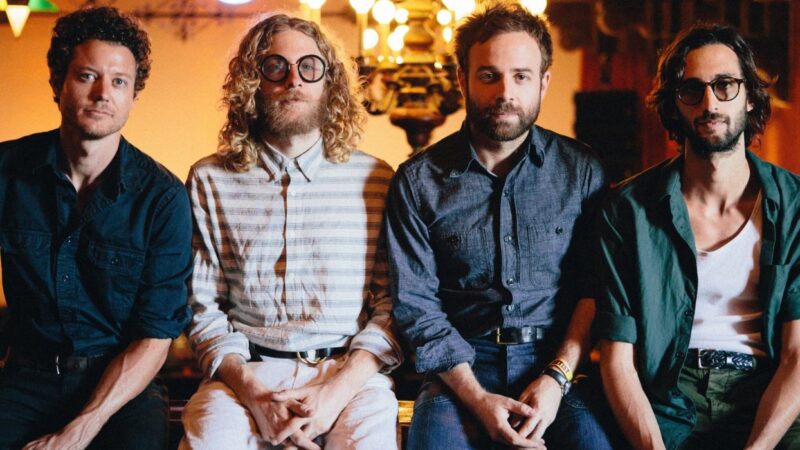
Dawes
Dawes-FB page
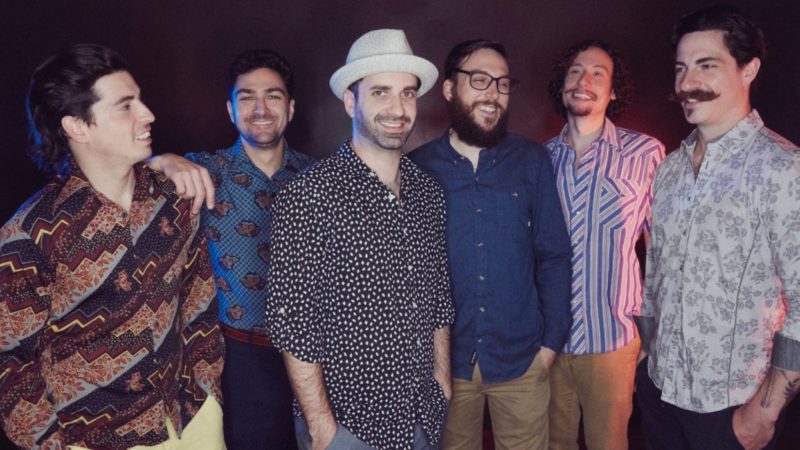
Flow Tribe
Flow Tribe
is an American funk rock band based in New Orleans, Louisiana. The group contains six members who are all natives of New Orleans. The band was founded in 2004, and was featured on Episode 11 of MTV’s The Real World: New Orleans, which aired September 8, 2010. Wikipedia
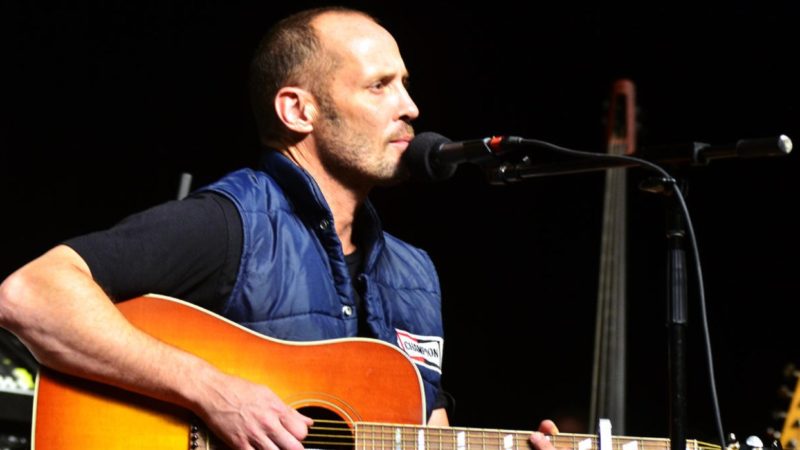
Paul Thorn
Paul Thorn
Before finding success in the music industry, Thorn made headlines in the ring, most notably for his 1988 televised bout against world champion Roberto Durán. Though he didn’t win, that same tenacity carried over to his songwriting. He is celebrated for his storytelling, capturing the struggles and small victories of everyday people in songs like “800 Pound Jesus” and “I Don’t Like Half the Folks I Love.” His career is a testament to authenticity, reflecting a man who has lived through sin and salvation alike, consistently offering a “softer touch” to life’s rougher patches.
See many great videos linked on his website.
For “relationship smiles,” watch these favorites: “Just Stay Married” and “Temporarily Forever.”
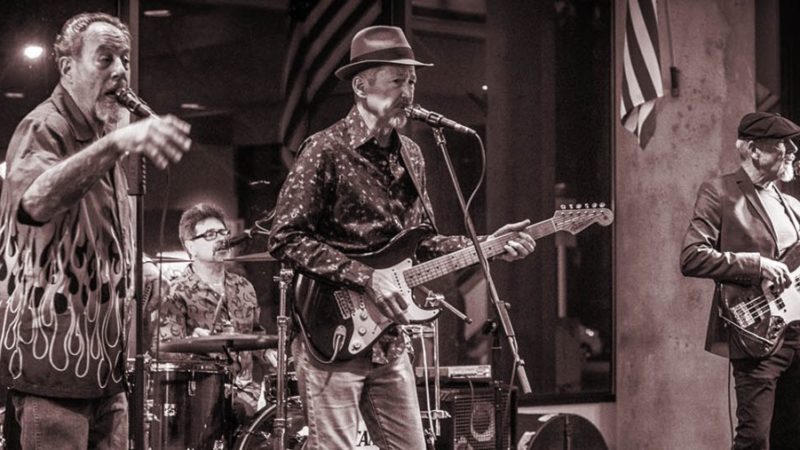
The Nighthawks
What sustains a band for more than three decades? Not a hit radio band, but a roll-up-your-sleeves/drive to the next gig overnight/carry your own gear up the steps and night after night make people happy kind of band. One that makes them dance; sends them home to come back again—and again. What makes that kind band stay together through relatively few personnel changes? Answer: A good idea; a universal yet somehow unique, good idea.
The Nighthawks sought not so much to reinvent rock and roll, but simply to have it reinvent itself by taking the original ingredients and following—if somewhat loosely—the original recipe. And like good cooks, the individual personalities involved ultimately affected the outcome.
The band was over 10 years old and had baffled the mainstream industry before the term “roots rock” was coined to explain the likes of West Coasters like Los Lobos and The Blasters. By then, the affiliation with many of the living blues greats seemed to brand The Nighthawks a “blues band” despite the fact that they played with Carl Perkins as well as Muddy Waters.
The Nighthawks had its genesis when lead singer-harmonica player extraordinaire Mark Wenner returned to his native Washington, D.C. after six years in New York City, lured back by the success of his friend Bobby Radcliff’s local acclaim with a blues band. Mark joined forces with a then very young Jimmy Thackery and formed The Nighthawks in 1972. They spent a couple of years building The Nighthawks’ reputation with a revolving cast of characters until, in 1974, they decided to get the best rhythm section the area had to offer: Jan Zukowski on bass and Pete Ragusa on drums.
The Nighthawks set off on a musical mystery tour that took them to 49 states and a dozen countries. They played with nearly all the living blues legends as well as a new generation of bands, sometimes called “the Blue Wave”, and released several important albums including the best-selling Jacks and Kingswith Pinetop Perkins, Luther “Guitar Junior” Johnson, Calvin Jones and Bob Margolin. (Servern Records 2017)
Could not resist the throwback video..enjoy

Laura Lippman
Location – Maryland
Laura Lippman was a reporter for twenty years, including twelve years at The (Baltimore) Sun. She began writing novels while working full-time and published seven books about “accidental PI” Tess Monaghan before leaving daily journalism in 2001.
Her work has been awarded the Edgar ®, the Anthony, the Agatha, the Shamus, the Nero Wolfe, Gumshoe and Barry awards.
She also has been nominated for other prizes in the crime fiction field, including the Hammett and the Macavity. She was the first-ever recipient of the Mayor’s Prize for Literary Excellence and the first genre writer recognized as Author of the Year by the Maryland Library Association. Ms. Lippman grew up in Baltimore and attended city schools through ninth grade.
After graduating from Wilde Lake High School in Columbia, Md., Ms. Lippman attended Northwestern University’s Medill School of Journalism. Her other newspaper jobs included the Waco Tribune-Herald and the San Antonio Light.
